
The Roaring Twenties marked a turning point in fashion history, and 1920s men’s fashion played a central role in shaping modern style. Known for its elegance, comfort, and bold experimentation, men’s clothing in the 1920s introduced trends that remain influential today. From three-piece suits and wide-leg trousers to newsboy caps and two-tone shoes, the decade blended refinement with a new sense of freedom in dressing. Men began expressing individuality through their clothing, turning fashion into a visible reflection of social and cultural transformation.
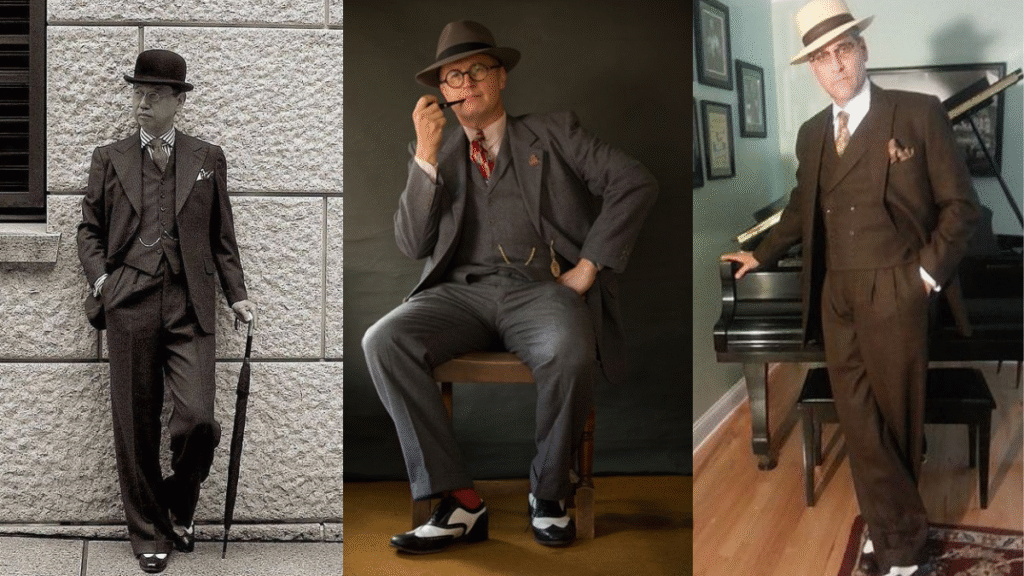
This era, often referred to as The Jazz Age, was defined by post-war prosperity, youthful energy, and a rejection of the stiff formality of previous generations. 1920s men’s fashion captured this shift perfectly—combining practicality with flair and laying the foundation for modern wear.
The Essence of 1920s Men’s Fashion
The 1920s were a time of jazz, prosperity, and social change. After World War I, men sought clothing that offered both comfort and sophistication. Traditional stiff tailoring gave way to softer fabrics, looser fits, and seasonal fashion cycles. Lighter suits in summer and heavier tweeds or wool in winter became standard, representing the balance of style and practicality that defined 1920s men’s fashion.
Key Features of 1920s Men’s Fashion
- Three-piece suits with wide lapels, high-waisted trousers, and matching vests.
- Casual sportswear, such as sweaters, knickerbockers, and polo shirts that reflected the growing leisure culture.
- Accessories like fedoras, pocket squares, silk ties, and wristwatches for a touch of individuality.
- Two-tone Oxford shoes as a fashionable alternative to traditional leather footwear.
Men in the 1920s were no longer confined to a single uniform style. Whether for formal events or relaxed weekends, 1920s men’s fashion offered versatility and self-expression.
Suits and Tailoring in 1920s Men’s Fashion
Suits remained the cornerstone of a gentleman’s wardrobe. Formalwear included dark tuxedos, while everyday attire featured tweed, herringbone, or pinstriped fabrics. Jackets were cut to highlight a V-shaped silhouette with broad shoulders and a lower button stance. Toward the end of the decade, trousers became slimmer and more tapered—an enduring trend that continues to influence modern menswear.
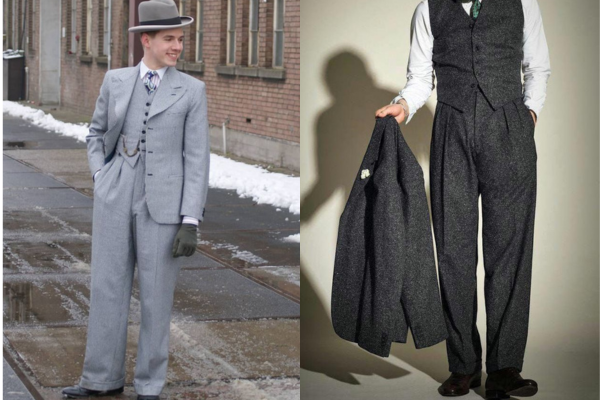
Three-piece suits symbolized sophistication and detail. Men paired them with silk ties and folded pocket squares, creating a polished look that balanced elegance and comfort. The lightweight tailoring of 1920s men’s fashion—using materials like cotton, linen, and wool blends—emphasized mobility without sacrificing refinement.
This evolution in tailoring laid the groundwork for contemporary suits, proving that the 1920s were not just stylish but also innovative in redefining men’s clothing.
Casualwear in the Jazz Age: The Relaxed Side of 1920s Men’s Fashion
For the first time, casual wear became a vital part of men’s wardrobes. Sweaters, cardigans, and knickerbockers were weekend essentials, while breathable fabrics like linen and cotton provided comfort and flair. Polo shirts, soft-collared button-downs, and patterned ties gave young men room to experiment with color and texture.
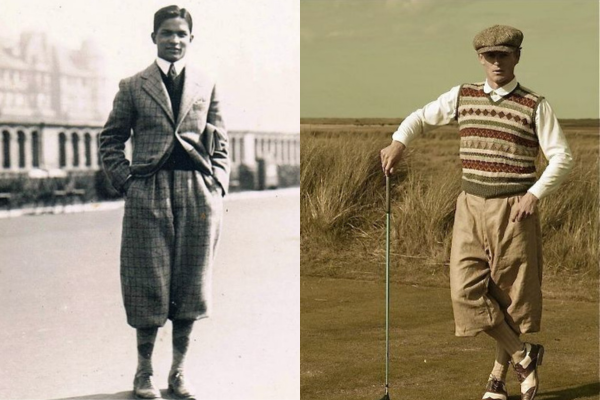
Sportswear influenced 1920s men’s fashion significantly. Golf, tennis, and other outdoor activities inspired functional yet stylish attire. The result was a blend of practicality and panache that reflected the modern man’s lifestyle.
This era’s casualwear introduced a cultural shift—men began embracing brighter hues, striped ties, and patterned shirts, giving birth to a more expressive and colorful approach to dressing that still inspires designers today.
Accessories: The Finishing Touch in 1920s Men’s Fashion
Accessories were essential in completing a 1920s men’s outfit. Fedoras, trilbies, and newsboy caps were everyday essentials, providing both style and practicality. Hats not only protected men from the elements but also signaled social status and personal taste.
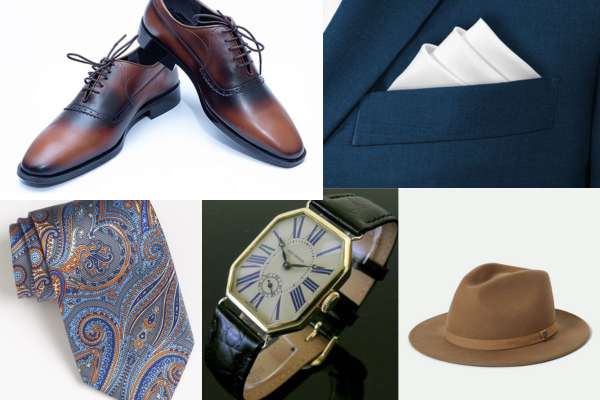
Pocket squares, silk ties, and cufflinks elevated a suit, adding elegance and personality. Wristwatches, which became increasingly popular after World War I, transitioned from military tools to fashionable accessories. 1920s men’s fashion Two-tone spectator shoes offered a daring alternative to classic leather Oxfords, allowing men to stand out while maintaining sophistication.
Eyewear also became a prominent fashion statement during this decade. Must Read makeup Round spectacles and horn-rimmed glasses were popular, adding both functionality and style. These accessories demonstrated the growing awareness among men of fashion as a means of self-expression.
How to Wear 1920s Men’s Fashion Today
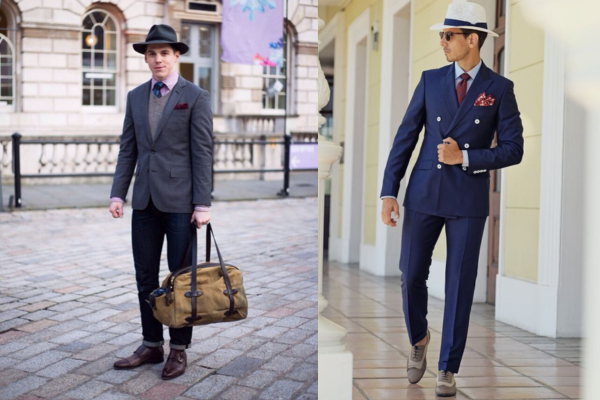
Blending vintage charm with modern minimalism is the key to reviving 1920s men’s fashion. You don’t need a costume—just thoughtful styling. Start with a well-tailored suit, add suspenders or a waistcoat, and finish with era-inspired accessories for a balanced, contemporary look.
Modern Ways to Incorporate 1920s Men’s Fashion
- Pair a slim modern suit with suspenders and a pocket square for subtle vintage appeal.
- Add a fedora or flat cap for a refined throwback to the Jazz Age.
- Choose two-tone Oxfords or classic brogues to echo the era’s style.
- Experiment with bold ties, patterned shirts, or silk scarves for personality.
With these touches, any man can channel the confidence and class that defined the 1920s while staying effortlessly modern.
The Cultural Impact of 1920s Men’s Fashion
Beyond aesthetics, 1920s men’s fashion mirrored the social and cultural evolution of the time. The rise of jazz, cinema, and city life influenced how men dressed. Fashion became an identity—a blend of freedom, rebellion, and sophistication.
American cities like New York and Chicago shaped trends, while Paris and London added refinement and craftsmanship. Together, they created a global fashion dialogue that continues to shape menswear to this day.
FAQs About 1920s Men’s Fashion
Q1: What defined 1920s men’s fashion?
A: The 1920s were characterized by three-piece suits, wide trousers, fedoras, and sleek accessories. The era balanced formal sophistication with the emerging casualwear trend.
Q2: What type of suits did men wear in the 1920s?
A: Wool and tweed three-piece suits with wide lapels and high-waisted trousers were standard. Tuxedos with bow ties were reserved for formal occasions.
Q3: What casual styles were popular in 1920s men’s fashion?
A: Sweaters, polo shirts, knickerbockers, and newsboy caps dominated casual wear, along with colorful shirts and patterned ties.
Q4: What accessories completed a 1920s men’s outfit?
A: Pocket squares, silk ties, cufflinks, fedoras, and wristwatches added polish and personality. Two-tone shoes were especially trendy.
Q5: How can I wear 1920s men’s fashion today?
A: Incorporate tailored suits, suspenders, vintage-inspired shoes, and hats. Combine old-school charm with modern tailoring for a balanced, stylish look.
Final Thoughts on 1920s Men’s Fashion
The Roaring Twenties was more than just a decade—it was a fashion revolution. 1920s men’s fashion blended elegance with practicality, introducing iconic staples such as three-piece suits, fedora hats, and spectator shoes while paving the way for modern men’s wear.
Today, its influence remains undeniable. From tailored suits to expressive accessories, the lessons of the 1920s continue to shape how men present themselves. By combining vintage inspiration with modern sensibility, every man can embody the charisma, confidence, and timeless sophistication of the golden age of style.
Read More fashionclust.com