
Skin Tint is one of the easiest ways to create fresh, natural-looking makeup without the heavy feel of traditional foundation. If you want your complexion to look smoother, brighter, and more even while still looking like your real skin, a skin tint may be the perfect product for your routine.
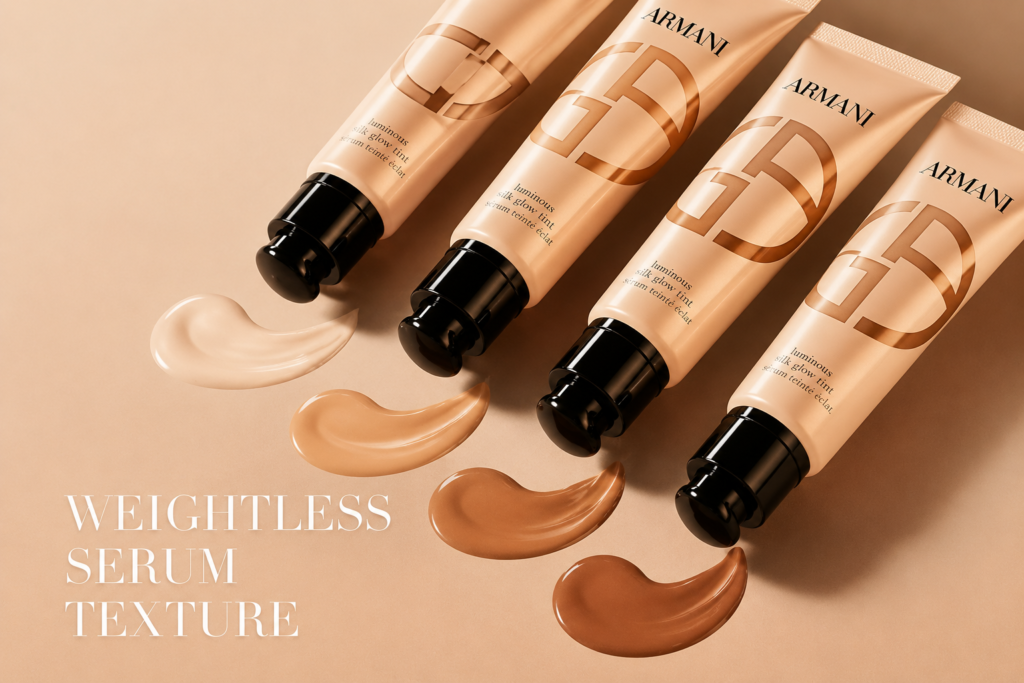
Unlike full-coverage makeup, this lightweight complexion product gives a soft veil of color that blends into the skin quickly. It can reduce the look of mild redness, dullness, and uneven tone while allowing freckles, natural texture, and your own glow to show through. This makes it a popular choice for everyday makeup, warm weather, school, work, casual outings, and quick “no-makeup makeup” looks.
In this complete guide, you will learn how this lightweight base product works, how it compares with foundation and tinted moisturizer, how to choose the right formula, and how to apply it for a smooth, natural finish.
What Is Skin Tint?
This lightweight complexion product provides sheer to light coverage. It is designed to enhance the appearance of your skin instead of completely covering it.
Most formulas have a thin, fluid, serum-like texture. They are easy to blend and often feel comfortable on the face because they do not create a thick layer of makeup. The result is usually a natural, dewy, satin, or soft-matte finish, depending on the formula.
This lightweight base can help make the skin tone look more balanced. It may soften the appearance of small blemishes, mild redness, uneven areas, and dullness. However, it is not made to fully hide acne marks, dark spots, or strong discoloration. For those areas, it is better to use concealer after applying the product.
Many modern tinted formulas also include skincare-friendly ingredients. You may find options with hyaluronic acid, glycerin, niacinamide, vitamin C, squalane, antioxidants, or SPF. These ingredients can make the formula feel more comfortable and hydrating, especially for everyday use.
Why Is Skin Tint So Popular?
This product has become popular because many people now prefer makeup that looks light, comfortable, and natural. Instead of a full-coverage base, it creates a “your skin but better” effect.
This lightweight formula is especially useful when you want to look polished but do not want to spend a long time doing makeup. You can apply it with your fingers in a few minutes, add a little concealer where needed, and finish with blush, mascara, and lip balm.
Another reason this tinted base is popular is that it works well in warm and humid weather. Heavy foundation can sometimes feel uncomfortable, separate, or look too thick during hot days. A lightweight formula can feel more breathable and fresh..
Skin tint is also beginner-friendly. You do not need advanced makeup tools or professional blending skills. Most formulas are forgiving, easy to blend, and less likely to look cakey than heavier base products.
Skin Tint vs Foundation: What Is the Difference?
The main difference between skin tint and foundation is coverage.
Foundation is made to create a more even, perfected base. It usually offers medium to full coverage and can hide redness, acne marks, dark spots, uneven skin tone, and other visible concerns. Foundation is often used for parties, weddings, photos, formal events, or full-glam makeup looks.
This lightweight complexion product offers sheer to light coverage. It gently evens out the complexion while still allowing your natural skin to show through. It is a great choice when you want a soft, fresh, and natural-looking finish.
Here are the main differences between skin tint and foundation:
| Feature | Skin Tint | Foundation |
| Coverage | Sheer to light | Medium to full |
| Texture | Thin, fluid, serum-like | Liquid, cream, stick, or powder |
| Finish | Natural, dewy, satin, or soft-matte | Matte, satin, radiant, or dewy |
| Feel on Skin | Lightweight and breathable | Can feel more substantial |
| Application | Easy with fingers, sponge, or brush | Often needs more blending |
| Best For | Everyday makeup and natural looks | Events, photos, and higher coverage |
| Coverage for Blemishes | Softens the appearance | Can cover more strongly |
This lightweight base product is not necessarily better than foundation, and foundation is not necessarily better than it. Both are designed for different makeup needs.
Choose this sheer, comfortable formula when you want quick and natural-looking makeup. Choose foundation when you need stronger coverage, longer wear, or a more flawless finish.
Skin Tint vs Tinted Moisturizer
This lightweight complexion product and tinted moisturizer are often confused because both provide light coverage. However, they have a few important differences.
Tinted moisturizer is usually a moisturizer with a small amount of pigment added. It often has a creamier texture, provides extra moisture, and focuses mainly on hydration.
This sheer base formula is usually thinner and more fluid. It can feel like a serum or lightweight liquid makeup product. Its main purpose is to give a soft wash of color and make the complexion look more even.
The lightweight formula may contain hydrating ingredients, but it is still mainly designed to improve the appearance of the complexion. Tinted moisturizer is mainly skincare with a small amount of coverage.
If you have very dry skin and want extra moisture, a tinted moisturizer may feel more comfortable. If you prefer a weightless product with a more natural, skin-like makeup finish, this sheer base may be a better choice.
Skin Tint vs BB Cream
BB cream is another lightweight complexion product, but it is usually thicker than skin tint. BB creams often offer more coverage than a typical skin tint and may include skincare benefits such as hydration, SPF, or brightening ingredients.
This lightweight base is generally the lightest option. It gives the most natural and barely-there finish. BB cream can be a good middle option if you want more coverage than this sheer formula but less coverage than foundation.
Benefits of Using Skin Tint
This lightweight complexion product offers many benefits for people who prefer natural makeup. Here are some of the main reasons to add this sheer base to your makeup routine.
1. Skin Tint Gives a Natural-Looking Finish
The biggest benefit of this lightweight base is that it looks like real skin. It does not create a thick, mask-like layer. Instead, it gently enhances the complexion.
This sheer formula can make your face look more even while allowing freckles, natural texture, and glow to remain visible. This is why it is perfect for a no-makeup makeup look.
2. Skin Tint Feels Lightweight
Most skin tint formulas are thin and breathable. They feel more comfortable than full-coverage foundation, especially when you wear makeup for several hours.
If you do not like the feeling of heavy makeup, that can be a good alternative. It gives a polished look without making your face feel covered.
3. Skin Tint Is Easy to Apply
That is one of the easiest makeup products to use. You can apply it with your fingertips, a makeup sponge, or a brush.
For a quick everyday look, clean fingers are often enough. The warmth of your hands helps the skin blend smoothly into the face.
4. Skin Tint Can Help Even Out Skin Tone
Skin can soften the appearance of mild redness, uneven tone, dullness, and small imperfections. It will not fully cover dark spots or acne, but it can make the overall complexion look more balanced.
For areas that need extra coverage, use concealer after your skin tint.
5. Many Skin Tint Formulas Include Skincare Ingredients
Many skin tint formulas contain ingredients that support a hydrated, healthy-looking complexion. Common ingredients include:
- Hyaluronic acid for hydration
- Glycerin to help the skin feel soft
- Niacinamide for a more balanced-looking complexion
- Vitamin C for brightness
- Squalane for moisture
- Antioxidants for skincare support
A can should not replace your skincare routine, but these ingredients can make the product feel more comfortable for daily use.
6. Skin Tint Is Great for Hot Weather
A lightweight skin can be more comfortable than a thick foundation during warm weather. It is a good option for summer, humid days, outdoor events, casual walks, and everyday errands.
If you have oily skin, choose a skin with a natural or soft-matte finish and lightly set your T-zone with powder.
Who Should Use Skin Tint?
Skin can work for many people because it comes in different formulas and finishes.
Skin Tint for Dry Skin
If you have dry skin, choose a hydrating skin with a dewy or radiant finish. Look for ingredients such as hyaluronic acid, glycerin, squalane, or ceramides.
Before applying skin tint, use a good moisturizer. This helps prevent the product from clinging to dry patches.
Skin Tint for Oily Skin
If you have oily skin, choose an oil-free skin with a natural, satin, blurring, or soft-matte finish. Avoid using too much product because a thick layer may become shiny during the day.
You can use a light setting powder on the forehead, nose, and chin to make your skin tint last longer.
Skin Tint for Combination Skin
Combination skin can use a natural or satin-finish skin tint. Apply a hydrating moisturizer on dry areas, then lightly set oily areas with powder.
This method helps keep the skin tint looking fresh without making the face look too matte.
Skin Tint for Acne-Prone Skin
If you have acne-prone skin, choose a skin labeled non-comedogenic. This means the product is designed not to clog pores.
A skin can help soften redness, but it may not fully cover acne marks. Use a small amount of concealer only on the areas that need more coverage.
Always remove your skin tint properly before sleeping.
Skin Tint for Mature Skin
Skin tint can be a comfortable choice for mature skin because it is lightweight and less likely to look heavy around fine lines. A hydrating formula with a natural or radiant finish can help the skin look fresh and smooth.
Avoid applying too much powder over skin tint, as excessive powder can make the complexion look dry.
How to Choose the Right Skin Tint
Choosing the right skin depends on your skin type, skin tone, undertone, and preferred finish.
Choose the Right Skin Tint Shade
Try to choose a skin tint shade that is close to your natural skin tone. Because skin tint is sheer, shade matching is usually more flexible than foundation. However, the shade should still blend naturally into your face, jawline, and neck.
When testing a skin tint, apply a small amount along your jawline. The best shade should disappear into the skin without looking too orange, pink, grey, dark, or light.
Understand Your Undertone
Your undertone is the natural tone underneath the surface of your skin.
- Warm undertones may look golden, yellow, or peachy.
- Cool undertones may look pink, rosy, or bluish.
- Neutral undertones may have a mix of warm and cool tones.
- Olive undertones may have a greenish or golden tone.
Choosing a skin tint with the right undertone helps it look more natural.
Choose the Right Finish
Skin tint comes in different finishes.
A dewy formula gives a glowing, hydrated look and is often a good choice for dry or dull skin.
A natural or satin finish gives a balanced look that is not too shiny or too matte. It can work well for many skin types.
A soft-matte or blurring formula helps reduce shine and can be a good option for oily skin.
Check the Coverage Level
Most lightweight complexion products offer sheer to light coverage. Some formulas are buildable, which means you can apply a second thin layer for slightly more coverage.
Do not expect this sheer base to provide full coverage. If you need to cover dark circles, acne, or dark spots, use concealer along with the product.
How to Apply Skin Tint for a Natural Look
Applying skin tint is simple. Follow these steps for a smooth, fresh finish.
Step 1: Cleanse and Moisturize
Start with clean skin. Use a moisturizer that suits your skin type.
Dry skin may need a richer moisturizer, while oily skin may prefer a lightweight gel moisturizer. Good skin preparation helps skin tint blend better.
Step 2: Apply Sunscreen
Use a broad-spectrum sunscreen during the day before applying skin tint.
Even if your skin tint contains SPF, sunscreen should still be a separate step. Makeup is usually not applied in enough quantity to provide the full SPF protection listed on the product.
Step 3: Shake Your Skin Tint
Shake the bottle well before use. Skin tint formulas may contain pigments and skincare ingredients that can separate over time.
Step 4: Start With a Small Amount
Use a few drops or a small amount of skin tint. You can place it on the back of your hand, your fingertips, or directly onto the center of your face.
Start small because skin tint is meant to look light and natural.
Step 5: Blend From the Center of the Face
Blend the skin tint from the center of your face outward. Focus on the cheeks, forehead, nose, and chin.
You can use fingers, a brush, or a sponge.
Fingers give a natural finish because the warmth of your hands helps the skin tint melt into the skin.
A brush can give a more polished look and slightly more coverage.
A damp makeup sponge gives a soft, sheer, and diffused finish.
Step 6: Build Lightly if Needed
If you want more coverage around the cheeks, nose, or chin, apply a second thin layer of skin tint.
Do not apply too much at once. Thin layers look more natural and are less likely to become patchy.
Step 7: Use Concealer for Extra Coverage
Use concealer on dark circles, acne marks, or areas with stronger redness. Apply a small amount and blend gently.
This method keeps your overall makeup light while giving coverage only where you need it.
Step 8: Set Your Skin Tint if Needed
If you have dry skin and enjoy a dewy finish, you may not need powder.
If you have oily skin or want longer wear, lightly apply translucent powder on the T-zone. Avoid applying too much powder because it can remove the fresh finish of skin tint.
Finish with a setting spray if you want your skin tint to last longer.
How to Make Your Lightweight Base Last Longer
Skin tint is lightweight, so it may not last as long as full-coverage foundation. However, you can improve its wear time with a few simple steps.
Prepare your skin properly with moisturizer and sunscreen. Use a lightweight primer if you have oily skin or large pores. Apply the lightweight formula in thin layers instead of using a thick amount.
If your face gets oily during the day, lightly set the T-zone with powder. A setting spray can also help the makeup stay in place.
Try not to touch your face often. Touching, rubbing, or wiping your skin can cause the base makeup to fade or become patchy.
Can You Wear Skin Tint Every Day?
Yes, you can wear this lightweight base every day if it suits your skin type and you remove it properly at night.
This sheer complexion product is designed for everyday makeup because it feels light and comfortable. Choose a formula that works with your skin needs, and always cleanse your face before sleeping.
If you have sensitive or acne-prone skin, patch test a new formula before using it on your full face.
Can Skin Tint Replace Foundation?
The can replace foundation for everyday makeup if you prefer light coverage and a natural finish.
It is great for school, work, errands, daytime events, casual outings, and quick makeup routines. However, foundation may be better for weddings, parties, photography, long events, or days when you want more coverage.
You can also use to and foundation together. Apply to all over the face for a lightweight base, then use a small amount of foundation only on areas that need extra coverage.
Another option is to apply skin all over and use concealer for blemishes, dark spots, or under-eye circles.
Is Skin Tint the Same as Sunscreen?
No, is not the same as sunscreen.
Some skin products include SPF, but they should not be your only source of sun protection. You need to apply a separate broad-spectrum sunscreen before skin tint.
A skin with SPF can be an extra benefit, but sunscreen should remain an important step in your daily skincare routine.
Common Skin Tint Mistakes to Avoid
Using too much skin tint is one of the most common mistakes. Skin tint is meant to be lightweight, so apply a small amount first and build only where needed.
Skipping moisturizer can also make the lightweight formula look patchy, especially on dry skin. Always prepare your skin before makeup.
Choosing the wrong shade can make the base product look orange, grey, or unnatural. Test the shade on your jawline whenever possible.
Using this sheer makeup product as a replacement for sunscreen is another mistake. Always use sunscreen separately.
Finally, expecting full coverage from a lightweight formula can lead to disappointment. It is designed to enhance the skin, not completely hide it.
Frequently Asked Questions About Skin Tint
What is this lightweight base used for?
Skin is used to lightly even out skin tone, reduce the appearance of mild redness, and give the skin a natural, fresh-looking finish.
Is skin tint better than foundation?
This lightweight base product is not necessarily better than foundation. It is ideal for light, natural everyday makeup, while foundation is better for stronger coverage and special occasions.
Does this lightweight base cover acne?
Skin can soften redness and uneven tone, but it usually does not fully cover acne or acne marks. Use concealer for targeted coverage.
Can I apply this lightweight base with my fingers?
Yes. Applying tint with fingers is quick and gives a natural finish. The warmth of your hands helps the formula blend smoothly.
Do I need primer before skin tint?
Primer is optional. If you have oily skin, large pores, or want your tint to last longer, a lightweight primer can help. If your skin is well moisturized, you may not need primer.
Is skin tint good for oily skin?
Yes, this lightweight base can work well for oily skin. Choose an oil-free formula with a natural, satin, or soft-matte finish, then lightly set oily areas with powder.
Is this lightweight base good for dry skin?
Yes. Choose a hydrating skin with a dewy finish and apply moisturizer before using it.
Should I apply concealer before or after skin tint?
Usually, apply skin tint first and concealer second. This helps you use less concealer because the will already make the complexion look more even.
Final Thoughts on Skin Tint
Skin tint is a great makeup product for anyone who wants a lightweight, breathable, and natural-looking complexion. It gives sheer coverage, helps even out the skin tone, and creates a fresh “your skin but better” finish.
The best lightweight base for you depends on your skin type, shade, undertone, and preferred finish. Choose a hydrating formula for dry skin, a soft-matte or oil-free formula for oily skin, and a natural finish if you want a balanced everyday look.
With proper skincare preparation, sunscreen, and a small amount of product, this sheer complexion formula can help you create an easy, polished makeup look in just a few minutes.