
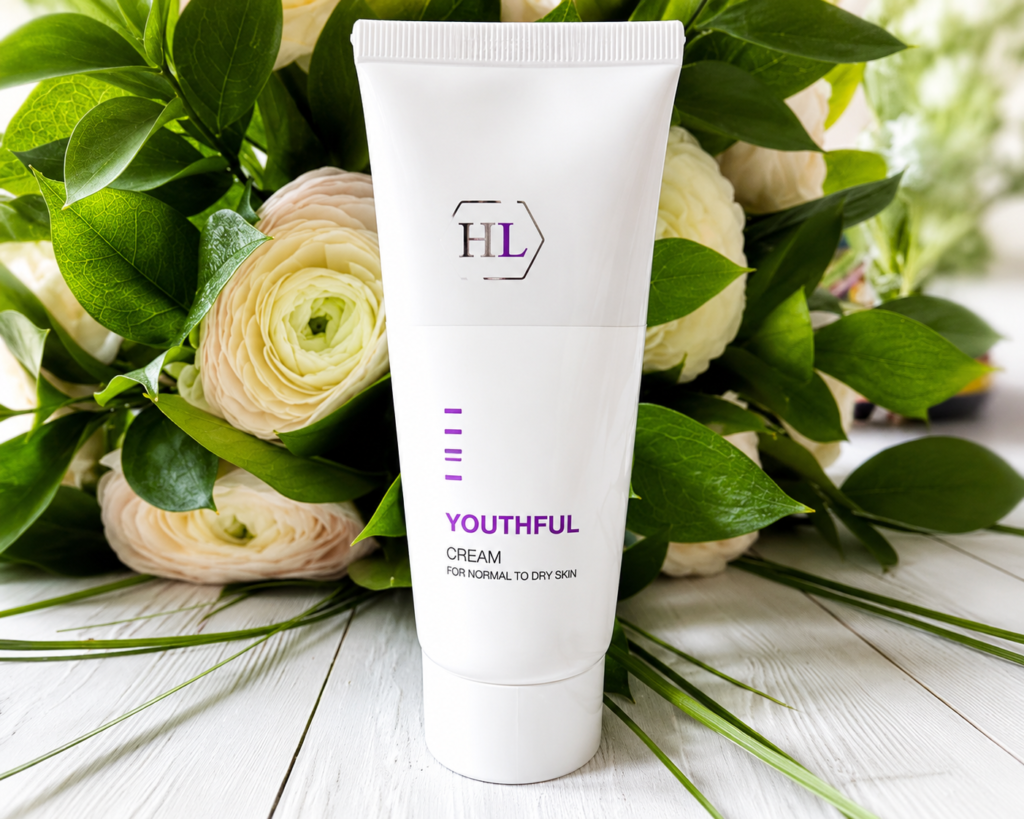
Dry, flaky, and itchy skin can make even the simplest daily activities uncomfortable. Cream for dry skin is one of the most effective solutions for restoring moisture, strengthening your skin barrier, and preventing irritation. Whether your skin becomes dry during winter, after frequent handwashing, or because of naturally low oil production, choosing the right cream can make a noticeable difference.
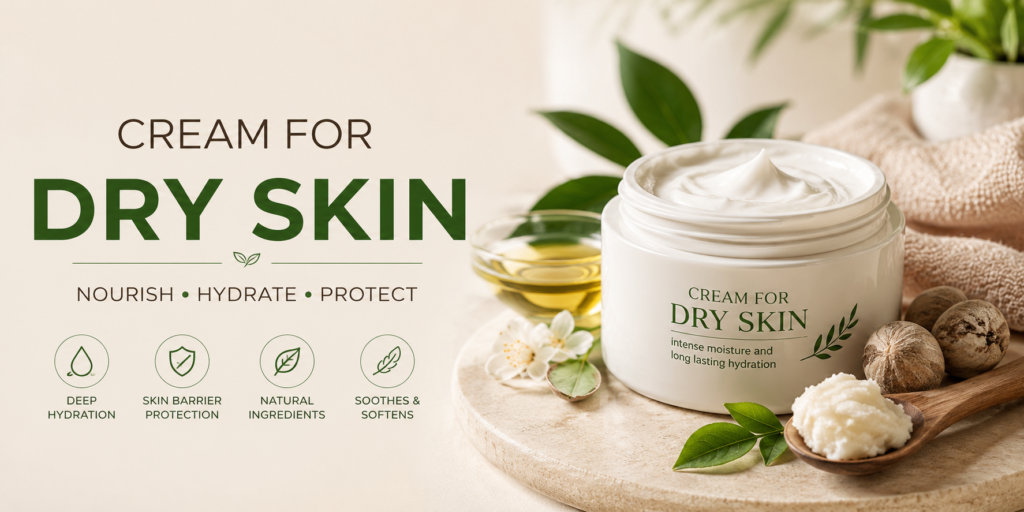
Many people buy the first moisturizer they see, only to discover that their skin still feels tight a few hours later. That’s because not every moisturizer is designed to treat dry skin. The best creams contain ingredients that hydrate deeply, lock in moisture, and help repair your skin’s natural protective barrier.
In this comprehensive guide, you’ll learn what causes dry skin, how to identify it, why using the right cream matters, and what ingredients dermatologists recommend. By the end, you’ll know exactly how to choose the best cream for dry skin for long-lasting hydration and healthier-looking skin.
What Is Dry Skin?
Dry skin, also called xerosis, occurs when your skin doesn’t have enough moisture or natural oils to stay soft and smooth. Healthy skin has a protective barrier made of water, natural oils, and lipids. When this barrier becomes damaged, moisture escapes more quickly than your skin can replace it.
As a result, your skin may become:
Tight after washing
Rough or flaky
Itchy throughout the day
Red or irritated
Cracked in severe cases
Sensitive to skincare products
Dry skin can affect any part of the body, but it’s most common on the:
Face
Hands
Arms
Legs
Feet
Elbows
Knees
While anyone can develop dry skin, it becomes more common with age because the skin naturally produces fewer oils over time.
Why Choosing the Right Cream for Dry Skin Matters
Using the right cream for dry skin does much more than make your skin feel softer.
A high-quality moisturizing cream helps:
Restore your skin’s natural moisture barrier
Lock water inside the skin
Reduce itching and irritation
Prevent flaking and rough patches
Improve skin texture
Protect against environmental damage
Reduce water loss throughout the day
Unlike lightweight lotions, creams have a thicker texture and contain more nourishing oils and protective ingredients. This makes them a better option for people with moderate to severe dryness.
Think of your skin barrier like a brick wall. The skin cells are the bricks, while natural oils act as the cement holding everything together. When that “cement” breaks down, tiny gaps appear, allowing moisture to escape. A good moisturizing cream fills those gaps and helps rebuild the barrier.
Common Signs Your Skin Needs a Better Moisturizer
Sometimes people assume they have sensitive skin when the real problem is simply dehydration or dryness.
Here are the most common signs that indicate it’s time to switch to a better cream for dry skin:
Tight Skin After Cleansing
If your face feels stretched or uncomfortable immediately after washing, your cleanser or moisturizer may not be providing enough hydration.
White Flakes
Flaky patches are one of the easiest signs to identify. They usually appear around:
Nose
Eyebrows
Chin
Forehead
Hands
Rough Texture
Dry skin often feels uneven instead of smooth. Makeup may also cling to rough patches.
Persistent Itching
Skin that constantly itches often lacks sufficient moisture.
Fine Lines Look More Noticeable
Dehydrated skin can temporarily make wrinkles and fine lines appear deeper than they really are.
Cracks or Peeling
Severely dry skin may crack, especially around the hands, heels, and fingers.
What Causes Dry Skin?
Understanding the cause helps you choose the best treatment.
1. Cold Weather
Winter air contains less humidity, making moisture evaporate from the skin more quickly.
Indoor heating can make the problem even worse.
2. Hot Showers
Long, hot showers remove the natural oils that protect your skin.
Although hot water feels relaxing, it can leave your skin feeling dry afterward.
3. Harsh Cleansers
Some soaps contain strong detergents that strip away protective oils.
Products containing alcohol or heavy fragrances can also worsen dryness.
4. Aging
As you grow older, your skin naturally produces less oil, making dryness more common.
5. Medical Conditions
Certain skin conditions increase dryness, including:
Eczema
Psoriasis
Diabetes
Hypothyroidism
If dryness becomes severe or doesn’t improve with regular moisturizing, it’s worth consulting a healthcare professional.
6. Frequent Hand Washing
Washing your hands multiple times daily removes protective oils.
This explains why healthcare workers, teachers, chefs, and parents often struggle with dry hands.
7. Low Humidity
Air conditioning and heating systems reduce indoor humidity levels, allowing moisture to evaporate faster from the skin.
Dry Skin vs. Dehydrated Skin
Many people confuse these two conditions, but they aren’t the same.
| Dry Skin | Dehydrated Skin |
| Lacks natural oils | Lacks water |
| Usually a skin type | Usually a temporary condition |
| Often feels rough | Often feels tight |
| Can become flaky | Can appear dull |
| Needs richer creams | Needs hydration plus moisturizer |
Someone with oily skin can still have dehydrated skin, while someone with dry skin generally benefits from richer creams every day.
Knowing the difference helps you select the right skincare routine instead of treating the wrong problem.
How Does a Cream for Dry Skin Work?
A quality cream for dry skin works in three important ways.
It Adds Moisture
Hydrating ingredients attract water into the skin.
It Locks Moisture Inside
Protective ingredients create a barrier that prevents water from escaping.
It Repairs the Skin Barrier
Certain lipids and nourishing ingredients strengthen the skin’s protective layer, allowing it to retain moisture longer.
Instead of providing temporary softness, a well-formulated cream helps improve your skin’s health over time.
Who Should Use a Cream for Dry Skin?
A nourishing moisturizing cream isn’t only for people with extremely dry skin.
You may benefit from using one if you:
Have dry or flaky skin
Experience winter dryness
Wash your hands frequently
Have mature skin
Spend time in air-conditioned environments
Live in cold or dry climates
Experience occasional rough patches
Want healthier-looking skin
Even people with combination skin often benefit from applying a richer cream only to dry areas.
Can Dry Skin Be Prevented?
In many cases, yes.
Small daily habits can dramatically improve your skin’s hydration.
Some of the most effective habits include:
Taking shorter showers
Using lukewarm water instead of hot water
Applying moisturizer immediately after bathing
Drinking enough water throughout the day
Avoiding harsh soaps
Wearing gloves during cold weather
Using sunscreen daily
Running a humidifier during winter
These simple lifestyle changes work even better when combined with a high-quality cream for dry skin.
How to Choose the Best Cream for Dry Skin
Choosing the right cream for dry skin isn’t about buying the most expensive product. Instead, focus on the ingredient list and whether the formula is designed to repair your skin barrier and provide long-lasting hydration.
Dermatologists recommend looking for creams that combine three essential types of moisturizing ingredients:
Humectants – Attract water into the skin.
Emollients – Smooth and soften rough skin.
Occlusives – Seal moisture inside the skin.
The best creams usually contain ingredients from all three categories, giving your skin complete hydration and protection.
Key Ingredients to Look for in a Cream for Dry Skin
Understanding skincare ingredients helps you choose products that actually work rather than relying on marketing claims.
1. Ceramides
Ceramides are naturally found in healthy skin and play an important role in maintaining a strong skin barrier.
When your skin lacks ceramides, moisture escapes more easily, leaving skin rough and flaky.
Benefits of Ceramides
Restore the skin barrier
Prevent moisture loss
Improve skin texture
Reduce dryness
Suitable for sensitive skin
Ceramide-based creams are especially helpful for people with eczema-prone or mature skin.
2. Hyaluronic Acid
Hyaluronic acid is one of the most popular skincare ingredients for a reason.
It attracts water and helps the skin stay plump and hydrated.
Benefits
Deep hydration
Softer skin
Improves elasticity
Reduces dehydration lines
Lightweight and non-greasy
When combined with occlusive ingredients, hyaluronic acid provides long-lasting moisture.
3. Glycerin
Glycerin is a dermatologist favorite because it acts as a powerful humectant.
It draws moisture toward the outer layer of the skin and keeps it there.
Benefits
Hydrates dry skin
Smooths rough texture
Supports the skin barrier
Affordable and effective
You’ll find glycerin in many of the best creams for dry skin.
4. Shea Butter
Shea butter is rich in fatty acids and vitamins that nourish the skin.
It works as an emollient by softening rough areas while helping protect against moisture loss.
Best For
Winter dryness
Rough elbows
Dry knees
Cracked heels
Very dry hands
5. Petrolatum (Petroleum Jelly)
Petrolatum is considered one of the most effective moisture-locking ingredients available.
Instead of adding water, it seals existing moisture inside the skin.
Benefits
Prevents water loss
Repairs damaged skin barrier
Protects cracked skin
Excellent overnight treatment
6. Squalane
Squalane closely resembles the skin’s natural oils.
Unlike heavier oils, it absorbs quickly without leaving an overly greasy feeling.
Benefits
Lightweight hydration
Strengthens skin barrier
Softens rough skin
Suitable for sensitive skin
7. Urea
Urea is particularly helpful for people dealing with severe dryness.
It hydrates while gently removing rough, dead skin cells.
Best For
Cracked heels
Dry feet
Thick skin
Rough elbows
Very dry body skin
8. Colloidal Oatmeal
Colloidal oatmeal is widely recommended for irritated or itchy skin.
It calms inflammation while helping the skin retain moisture.
Benefits
Soothes itching
Reduces redness
Protects sensitive skin
Supports eczema-prone skin
Ingredients to Avoid If You Have Dry Skin
Some skincare ingredients can make dryness worse.
Avoid products containing:
High amounts of alcohol
Strong fragrances
Essential oils (if your skin is sensitive)
Harsh sulfates
Excessive exfoliating acids
High-strength retinol without moisturizer
These ingredients may weaken your skin barrier and increase irritation.
Cream vs Lotion vs Ointment: Which Is Better?
Many people use these terms interchangeably, but they are quite different.
| Product | Texture | Best For |
| Lotion | Light | Mild dryness, oily skin |
| Cream | Medium-thick | Most dry skin types |
| Ointment | Very thick | Extremely dry or cracked skin |
If your skin feels tight every day, a cream for dry skin is usually the best everyday choice.
For cracked heels or severely dry hands, an ointment may work even better overnight.
How to Apply Cream for Dry Skin Correctly
Even the best cream won’t deliver great results if you use it incorrectly.
Step 1: Cleanse Gently
Wash with a mild cleanser that won’t strip natural oils.
Avoid hot water.
Step 2: Pat Skin Dry
Don’t rub your towel across your skin.
Leave your skin slightly damp.
Step 3: Apply Cream Immediately
Apply your cream for dry skin within a few minutes after washing.
This helps trap moisture inside the skin.
Step 4: Massage Gently
Use upward circular motions.
There’s no need to rub aggressively.
Step 5: Reapply Throughout the Day
Hands, elbows, knees, and feet may need additional applications.
Morning Skincare Routine for Dry Skin
A simple morning routine keeps your skin comfortable throughout the day.
Step 1
Use a gentle cleanser.
Step 2
Apply a hydrating serum if desired.
Step 3
Use a nourishing cream for dry skin.
Step 4
Finish with SPF 30 or higher.
Daily sunscreen protects your skin barrier from UV damage, which can contribute to dryness and premature aging.
Night Skincare Routine for Dry Skin
Nighttime is when your skin naturally repairs itself.
Step 1
Cleanse gently.
Step 2
Apply any treatment products if needed.
Step 3
Use a thicker cream for dry skin.
Step 4
Apply a richer layer on extra-dry areas like hands, elbows, knees, and heels.
Many people notice softer skin after consistently moisturizing before bed.
Dermatologist-Recommended Tips for Dry Skin
Along with using the right cream, these habits can help improve your skin’s condition.
Take Shorter Showers
Keep showers between five and ten minutes.
Long showers remove natural oils.
Use Lukewarm Water
Hot water may feel relaxing but can worsen dryness.
Warm water is much gentler on the skin.
Moisturize Immediately After Bathing
Applying cream while your skin is still slightly damp helps lock in moisture.
Stay Hydrated
Drinking enough water supports your body’s overall hydration.
While water alone won’t cure dry skin, it contributes to healthy skin function.
Use a Humidifier
Indoor heating can make skin extremely dry.
A humidifier adds moisture back into the air and helps reduce overnight dryness.
Protect Your Hands
Wear gloves while cleaning or washing dishes.
Frequent exposure to water and cleaning products can weaken the skin barrier.
Avoid Over-Exfoliating
Exfoliating too often removes healthy skin cells along with dead ones.
Limit exfoliation to once or twice a week if you have dry skin.
Wear Soft Fabrics
Cotton clothing is generally gentler on dry skin than rough fabrics like wool.
Why Consistency Matters
Many people stop using moisturizer once their skin feels better.
However, healthy skin requires consistent care.
Using a cream for dry skin every morning and night helps maintain your skin barrier, reduces moisture loss, and prevents dryness from returning.
With regular use, your skin can become noticeably softer, smoother, and more comfortable over time.
Common Mistakes That Make Dry Skin Worse
Even the best cream for dry skin won’t deliver lasting results if your daily habits are damaging your skin barrier. Many people unknowingly make simple mistakes that strip away moisture and leave their skin feeling tight and irritated.
Here are some of the most common mistakes to avoid.
1. Taking Long, Hot Showers
A hot shower may feel relaxing, especially during winter, but it removes the skin’s natural oils much faster than lukewarm water.
Instead:
Keep showers between 5 and 10 minutes.
Use lukewarm water.
Apply your moisturizer immediately afterward.
2. Skipping Moisturizer After Washing
One of the biggest skincare mistakes is waiting too long before applying moisturizer.
Your skin loses moisture quickly after cleansing.
Best Practice: Apply your cream for dry skin within three minutes after washing your face or taking a shower while your skin is still slightly damp.
3. Using Harsh Cleansers
Many soaps contain ingredients that strip away the skin’s protective barrier.
Avoid products containing:
Sulfates
Strong fragrances
High alcohol content
Harsh antibacterial ingredients
Choose a gentle, fragrance-free cleanser designed for dry or sensitive skin.
4. Over-Exfoliating
Exfoliation helps remove dead skin cells, but too much can weaken your skin barrier.
If you have dry skin:
Limit exfoliation to once or twice a week.
Choose gentle chemical exfoliants instead of harsh scrubs.
Always moisturize afterward.
5. Ignoring Sunscreen
Many people think sunscreen is only necessary during summer.
In reality, UV rays can damage your skin barrier all year round.
Use a broad-spectrum sunscreen with SPF 30 or higher every morning, even on cloudy days.
6. Not Drinking Enough Water
While moisturizer works on the outside, hydration starts from within.
Drink enough water throughout the day and eat water-rich foods like:
Cucumbers
Watermelon
Oranges
Strawberries
Lettuce
7. Applying Too Little Moisturizer
A tiny amount may not provide enough coverage.
Use enough product to cover your skin comfortably without leaving it dripping with cream.
Consistency matters more than applying a thick layer once in a while.
Choosing the Best Cream for Dry Skin Based on Your Needs
Different skin concerns require different formulas. Understanding your skin’s needs makes it easier to find a product that works.
For Sensitive Skin
Choose creams that are:
Fragrance-free
Dye-free
Alcohol-free
Rich in ceramides
Contain colloidal oatmeal
These ingredients help soothe irritation while strengthening the skin barrier.
For Extremely Dry Skin
Look for richer formulas containing:
Petrolatum
Shea butter
Ceramides
Glycerin
Squalane
These ingredients provide long-lasting hydration and reduce moisture loss.
For Mature Skin
As skin ages, it naturally loses moisture and elasticity.
Look for products containing:
Hyaluronic acid
Ceramides
Peptides
Niacinamide
Antioxidants
These ingredients support hydration while improving skin texture.
For Dry and Acne-Prone Skin
Many people avoid moisturizer because they fear breakouts.
Instead, choose products labeled:
Non-comedogenic
Oil-free (if needed)
Fragrance-free
Hydrated skin often produces less excess oil than dehydrated skin.
Seasonal Skincare Tips for Dry Skin
Your skincare routine should change with the seasons.
Winter
Cold air and indoor heating reduce humidity, making skin drier.
During winter:
Switch to a thicker cream for dry skin.
Use a humidifier.
Avoid very hot showers.
Moisturize more frequently.
Summer
Heat and sweat can make heavy creams feel uncomfortable.
Choose a lightweight but nourishing cream while continuing to use sunscreen daily.
Spring and Autumn
These transitional seasons are a good time to evaluate your skin.
If your skin starts feeling tight, switch back to a richer moisturizer before dryness becomes severe.
Daily Habits That Support Healthy Skin
Healthy skin isn’t just about skincare products.
These simple habits can make a noticeable difference over time:
Eat a balanced diet rich in healthy fats.
Include foods with vitamins A, C, and E.
Get enough sleep every night.
Exercise regularly to support circulation.
Avoid smoking.
Limit excessive alcohol consumption.
Manage stress through relaxation techniques.
Small lifestyle changes often complement your skincare routine and help maintain healthier skin.
Frequently Asked Questions
What is the best cream for dry skin?
The best cream for dry skin is one that contains moisturizing ingredients like ceramides, glycerin, hyaluronic acid, shea butter, and petrolatum. It should also be fragrance-free if you have sensitive skin.
How often should I apply cream for dry skin?
Most dermatologists recommend applying moisturizer at least twice a day.
You should also reapply after washing your hands, bathing, or whenever your skin feels dry.
Can I use body cream on my face?
Not always.
Facial skin is thinner and more delicate than body skin. Some body creams may feel too heavy or clog pores, especially if you have combination or acne-prone skin.
Is lotion or cream better for dry skin?
Cream is generally the better choice because it contains less water and more moisturizing ingredients than lotion.
For severely dry or cracked skin, ointments may provide even stronger protection.
Can drinking water cure dry skin?
Drinking water supports overall health, but it won’t completely fix dry skin on its own.
For the best results, combine good hydration with a high-quality cream for dry skin and a gentle skincare routine.
Should I moisturize oily skin if it feels dry?
Yes.
Even oily skin can become dehydrated.
Choose a lightweight moisturizer designed for your skin type instead of skipping moisturizer altogether.
Final Thoughts
Finding the right cream for dry skin can transform the way your skin looks and feels. Instead of chasing trendy products or expensive brands, focus on ingredients that truly nourish and protect your skin. A cream enriched with ceramides, hyaluronic acid, glycerin, shea butter, or squalane can help restore your skin’s natural barrier, reduce moisture loss, and provide lasting comfort.
Remember that healthy skin is built through consistent care. Use a gentle cleanser, avoid long hot showers, moisturize immediately after bathing, protect your skin with sunscreen, and stay hydrated throughout the day. These simple habits, combined with the right moisturizer, can make a noticeable difference over time.
Whether you’re dealing with occasional winter dryness or persistent flaky skin throughout the year, choosing the right cream for dry skin and following a regular skincare routine can help you achieve softer, smoother, and healthier-looking skin. Start caring for your skin today, and you’ll enjoy long-term hydration and a stronger skin barrier for years to come.