
Oily skin skin is one of the most common skin concerns affecting people of all ages. While natural oils are essential for keeping your skin healthy and protected, excessive oil production can lead to unwanted shine, enlarged pores, blackheads, whiteheads, and acne breakouts. The good news is that with the right skincare routine, ingredients, and habits, you can successfully manage oily skin and maintain a clear, healthy-looking complexion.
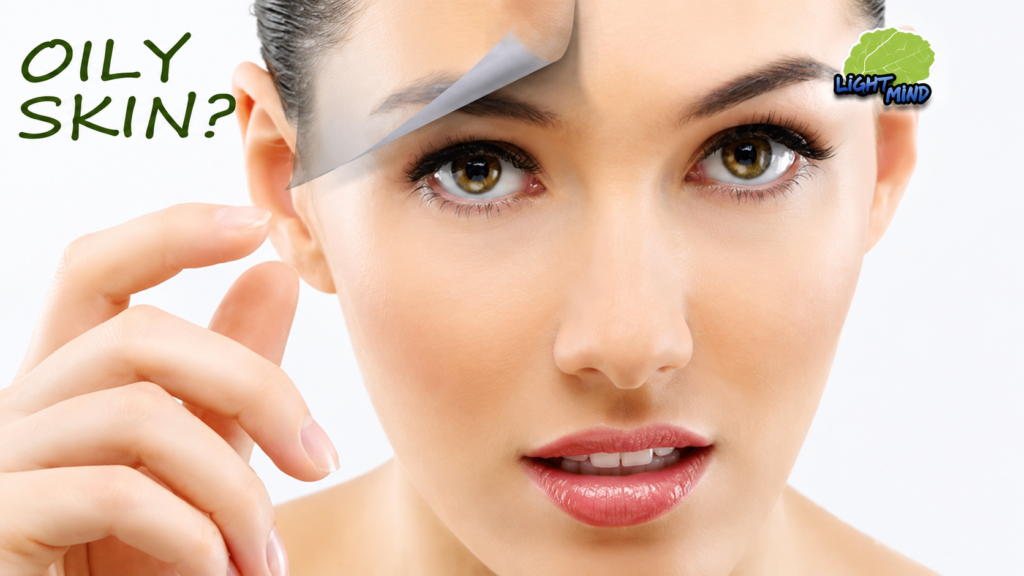
Many people with oily skin make the mistake of trying to remove all oil from their face. However, stripping the skin of its natural moisture often causes the sebaceous glands to produce even more oil. The key is to create a balanced skincare routine that controls excess oil while maintaining proper hydration and supporting the skin barrier.
What Is Oily Skin?
Oily skin occurs when the sebaceous glands produce too much sebum, the natural oil that helps protect and moisturize the skin. Sebum plays an important role in keeping the skin soft and preventing moisture loss. However, excessive sebum production can create a greasy appearance and increase the likelihood of clogged pores and acne.
Discover the Ultimate and Complete guide to managing oily skin skin with proven skincare tips, powerful ingredients, and effective daily routines. Learn the secret to achieving amazing, healthy, and shine-free skin with easy steps that deliver long-lasting results.
People with oily skin often notice that their face becomes shiny within a few hours of cleansing. The forehead, nose, and chin, commonly known as the T-zone, are usually the oiliest areas. Some individuals may experience oiliness across the entire face.
Although oily skin can be frustrating, it also has some benefits. People with oily skin often experience fewer visible fine lines and wrinkles because natural oils help maintain skin elasticity and hydration.
What Causes Oily Skin?
Understanding the causes of oily skin can help you choose the right treatment and skincare routine.
Genetics
Genetics is one of the biggest factors influencing skin type. If your parents have oily skin, there is a higher chance that you will have oily skin as well. Your genes determine the size and activity level of your sebaceous glands.
Hormonal Changes
Hormones significantly affect oil production. During puberty, pregnancy, menstruation, and menopause, hormonal fluctuations can stimulate the sebaceous glands to produce more oil. Increased androgen hormones are particularly associated with oily skin.
Climate and Weather
Hot and humid weather often increases sebum production. During summer months, many people notice their skin becomes oilier than usual. Even cold weather can trigger oil production if indoor heating causes dehydration.
Stress
Stress increases cortisol levels in the body. Elevated cortisol can stimulate oil glands and worsen oily skin and acne breakouts.
Diet
Although diet is not the sole cause of oily skin, consuming large amounts of sugary foods, processed foods, and refined carbohydrates may contribute to increased oil production in some individuals.
Incorrect Skincare Habits
Using harsh cleansers, over-exfoliating, or washing your face too frequently can damage the skin barrier and trigger excess oil production as the skin tries to compensate.
Signs That You Have Oily Skin
Not sure whether your skin is oily? Here are some common signs:
- Shiny or greasy appearance throughout the day
- Enlarged and visible pores
- Frequent blackheads and whiteheads
- Acne breakouts
- Makeup that slides off easily
- Thick or coarse skin texture
- Excess oil on blotting paper
If your skin becomes oily within a few hours after cleansing, you likely have oily skin.
Common Problems Associated with Oily Skin
Acne Breakouts
Excess sebum can mix with dead skin cells and clog pores, leading to pimples, blackheads, and whiteheads.
Enlarged Pores
Oily skin often causes pores to appear larger due to the accumulation of oil and debris.
Uneven Skin Texture
Persistent oiliness may contribute to rough or uneven skin texture.
Makeup Issues
Many people with oily skin struggle with makeup longevity because excess oil can cause foundation and other products to break down quickly.
Best Ingredients for Oily Skin
Choosing the right ingredients is essential for managing oily skin skin effectively.
Salicylic Acid
For oily skin skin, salicylic acid is a beta-hydroxy acid (BHA) that penetrates deep into the pores to remove excess oil and dead skin cells. It helps prevent clogged pores, control shine, and reduce acne breakouts associated with oily skin skin.
Niacinamide
Niacinamide is a powerful ingredient that helps regulate sebum production, reduce redness, and improve the appearance of enlarged pores.
Hyaluronic Acid
Many people think oily skin does not need hydration. However, hyaluronic acid provides lightweight hydration without making the skin greasy.
Glycolic Acid
Glycolic acid gently exfoliates the skin’s surface, helping improve texture and reduce excess oil buildup.
Ceramides
Ceramides strengthen the skin barrier and help maintain healthy moisture levels without clogging pores.
Clay
Clay ingredients such as kaolin and bentonite help absorb excess oil and impurities from the skin.
The Perfect Morning Skincare Routine for Oily Skin
Step 1: Cleanse
Start your day with a gentle foaming cleanser designed for oily skin skin . This removes excess oil accumulated overnight without stripping the skin.
Step 2: Apply Toner
Use an alcohol-free toner containing niacinamide or salicylic acid to help balance the skin and minimize excess shine.
Step 3: Apply Serum
Choose a lightweight serum containing niacinamide or hyaluronic acid.
Step 4: Moisturize
Apply an oil-free, non-comedogenic moisturizer. Even oily skin requires hydration to maintain a healthy barrier.
Step 5: Sunscreen
Use a broad-spectrum sunscreen with SPF 30 or higher every morning. Select a lightweight, non-greasy formula designed for oily skin.
The Perfect Night Skincare Routine for Oily Skin
Step 1: Double Cleanse if Necessary
If you wear makeup or sunscreen, consider double cleansing to thoroughly remove impurities.
Step 2: Exfoliate
Use a chemical exfoliant containing salicylic acid or glycolic acid two to three times per week.
Step 3: Treatment Products
Apply acne treatments or serums as needed.
Step 4: Moisturize
Finish with a lightweight moisturizer to maintain hydration while you sleep.
Weekly Treatments That Help Control Oil
Clay Masks
Clay masks help absorb excess oil and deeply cleanse pores. Use them one to two times per week.
Gentle Exfoliation
Regular exfoliation prevents the buildup of dead skin cells that can contribute to clogged pores.
Hydrating Masks
Hydrating masks containing hyaluronic acid can help maintain moisture balance without adding grease.
Mistakes to Avoid with Oily Skin
Overwashing
Washing your face more than twice daily can irritate the skin and increase oil production.
Skipping Moisturizer
Skipping moisturizer often causes the skin to become dehydrated, leading to even more oil production.
Using Harsh Products
Strong cleansers and alcohol-based toners can damage the skin barrier.
Touching Your Face Frequently
Touching your face transfers dirt, bacteria, and oil, increasing the risk of breakouts.
Sleeping with Makeup On
Leaving makeup on overnight can clog pores and worsen acne.
Natural Remedies for Oily Skin
Honey
Honey has natural antibacterial properties and can help soothe acne-prone skin.
Aloe Vera
Aloe vera provides lightweight hydration and calming benefits.
Oatmeal
Oatmeal can help absorb excess oil and soothe irritated skin.
Green Tea
Green tea contains antioxidants that may help reduce inflammation and support healthy skin.
Diet Tips for Oily Skin
A healthy diet may help support clearer skin.
Eat More
- Fruits
- Vegetables
- Whole grains
- Lean proteins
- Healthy fats
Limit
- Sugary beverages
- Processed foods
- Excess dairy products
- Refined carbohydrates
Drinking enough water throughout the day also helps support overall skin health.
Can Men and Women Experience Oily Skin Differently?
Both men and women can have oily skin, but men often produce more sebum because of higher testosterone levels. Men may also have larger pores and thicker skin, requiring products specifically designed to manage excess oil.
Professional Treatments for Oily Skin
If your oily skin is severe or accompanied by persistent acne, professional treatments may help.
Chemical Peels
Chemical peels exfoliate the skin and reduce clogged pores.
Microneedling
Microneedling can improve skin texture and reduce the appearance of enlarged pores.
Laser Treatments
Certain laser treatments can help regulate oil skin skin production and improve skin quality.
Prescription Treatments
Dermatologists may prescribe topical or oral medications for severe oily skin and acne.
Frequently Asked Questions
Does oily skin need moisturizer?
Yes. Oily skin still requires hydration. Using an oil-free moisturizer can help maintain balance and prevent excess oil production.
How often should I wash oily skin?
Most dermatologists recommend washing oily skin twice daily and after heavy sweating.
Is sunscreen necessary for oily skin?
Absolutely. Daily sunscreen protects against sun damage and premature aging.
Can oily skin cause acne?
Yes. Excess oil can clog pores and contribute to acne development.
What ingredients are best for oily skin?
For oily skin skin, salicylic acid, niacinamide, hyaluronic acid, glycolic acid, ceramides, and clay are among the most effective ingredients for controlling excess oil, minimizing pores, and promoting healthier-looking skin.
Can oily skin improve with age?
In many cases, oily skin skin becomes less noticeable as people get older because oil production often decreases due to hormonal changes.
Conclusion
Managing oily skin skin requires consistency, patience, and the right skincare products. By understanding the causes of excess oil production and following a balanced routine, you can minimize shine, reduce breakouts, and maintain healthy skin. Focus on gentle cleansing, lightweight hydration, effective ingredients such as salicylic acid and niacinamide, and daily sun protection. With proper care, even the oiliest skin can look fresh, balanced, and healthy every day.