
When it comes to natural skincare ingredients, Shea Butter stands out as one of the most trusted and effective options available. For centuries, people across Africa have relied on Shea Butter to nourish, protect, and rejuvenate their skin. Today, this nutrient-rich ingredient has become a staple in body lotions, lip balms, hair products, and DIY skincare recipes worldwide.
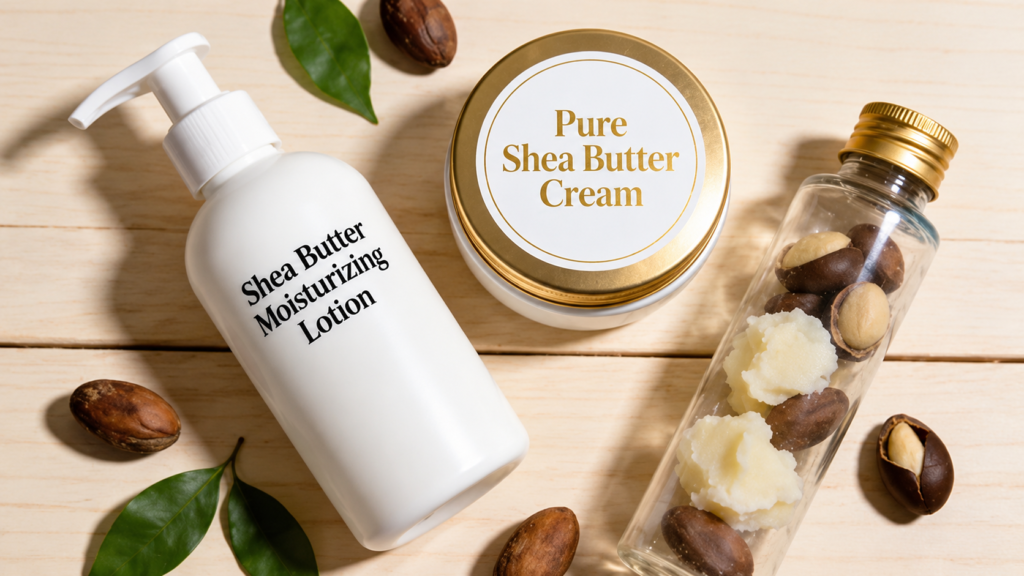
Whether you’re struggling with dry skin, looking for a natural moisturizer, or searching for a multi-purpose beauty ingredient, offers a wide range of benefits. Rich in vitamins, antioxidants, and essential fatty acids, it helps improve skin texture while providing long-lasting hydration. In this comprehensive guide, you’ll learn everything you need to know about , including its origins, benefits, uses, comparisons with other body butters, and how to incorporate it into your daily skincare routine.
What Is Shea Butter?
Shea Butter is a natural fat extracted from the nuts of the shea tree (Vitellaria paradoxa), which grows primarily in the African Shea Belt. Countries such as Ghana, Burkina Faso, Nigeria, Mali, and Ivory Coast are among the leading producers of this remarkable ingredient.
The process of producing has been passed down through generations of African women, earning it the nickname “Women’s Gold.” After harvesting the nuts, they are cleaned, roasted, ground, and processed to extract the rich butter inside.
Unrefined typically has an ivory or pale-yellow color and a mild nutty scent. It retains most of its vitamins and nutrients, making it highly valued in skincare products.
The History of Shea Butter
The use of dates back thousands of years. Historical records suggest that even ancient Egyptians used for cosmetic and medicinal purposes. Cleopatra is believed to have imported from Africa for use in her beauty routine.
Across Africa, has traditionally been used to protect the skin from harsh weather conditions, soothe irritation, and maintain healthy hair. Its popularity has continued to grow due to its versatility and effectiveness.
Nutritional Composition of Shea Butter
One reason is so effective is its impressive nutrient profile.
Vitamins Found in Shea Butter
- Vitamin A
- Vitamin E
- Vitamin F
Essential Fatty Acids
- Oleic Acid
- Stearic Acid
- Linoleic Acid
- Palmitic Acid
Natural Antioxidants
These compounds help fight free radicals that contribute to premature aging and environmental skin damage.
Benefits of Shea Butter for Skin
1. Deep Moisturization
One of the most celebrated benefits of is its ability to provide deep hydration. The fatty acids penetrate the skin and help lock in moisture for extended periods.
People with:
- Dry skin
- Flaky skin
- Rough elbows
- Cracked heels
often find noticeable improvements after regular use.
2. Helps Soothe Irritated Skin
Shea butter contains anti-inflammatory compounds that can help calm redness and irritation.
Many people use it to support skin affected by:
- Eczema
- Psoriasis
- Minor rashes
- Dry patches
Its gentle nature makes it suitable for sensitive skin types.
3. Supports Skin Barrier Function
The skin barrier plays a crucial role in retaining moisture and protecting against environmental aggressors.
Shea butter helps strengthen this barrier, reducing moisture loss and keeping skin healthier over time.
4. Rich in Antioxidants
Antioxidants are essential for protecting skin from free radical damage caused by pollution and UV exposure.
The vitamins and plant compounds found in contribute to healthier-looking skin and may help reduce visible signs of aging.
5. May Improve Skin Elasticity
Regular use of can help keep the skin supple and smooth.
Many people use it during pregnancy or weight fluctuations because it helps support skin elasticity and overall texture.
6. Softens Rough Skin
Areas such as:
- Knees
- Elbows
- Feet
- Hands
often become rough and dry. Applying regularly can soften these areas and improve comfort.
Is Shea Butter Good for the Face?
Yes, can be used on the face.
Its moisturizing properties make it beneficial for people with:
- Dry skin
- Sensitive skin
- Combination skin
Because it has a relatively low comedogenic rating, many individuals can use it without experiencing clogged pores.
To apply:
- Cleanse your face.
- Take a pea-sized amount.
- Warm it between your fingers.
- Gently massage it into the skin.
A little goes a long way.
Shea Butter for Hair
Many people are surprised to learn that is not only beneficial for skin but also for hair.
Moisturizes Dry Hair
Dry hair often lacks natural oils. Shea butter helps replenish moisture and reduce brittleness.
Reduces Frizz
Its rich texture helps smooth hair strands and control frizz.
Supports Scalp Health
Applying to the scalp may help reduce dryness and discomfort.
Enhances Curl Definition
People with curly and textured hair frequently use to improve curl definition while maintaining softness.
Shea Butter for Lips
Dry, chapped lips can benefit greatly from shea butter.
Benefits include:
- Long-lasting hydration
- Protection against harsh weather
- Smoother lip texture
- Natural shine
Many premium lip balms include as a key ingredient.
Shea Butter for Stretch Marks
Stretch marks develop when the skin stretches rapidly.
While no topical ingredient can completely erase stretch marks, is often used because it:
- Improves skin hydration
- Supports elasticity
- Nourishes damaged skin
- Enhances overall skin appearance
Many people combine with rosehip oil or cocoa butter for additional benefits.
Shea Butter for Eczema-Prone Skin
Eczema can cause:
- Itching
- Dryness
- Irritation
The moisturizing properties of help keep skin hydrated and comfortable.
Many users report that regular application reduces dryness and improves overall skin condition.
Shea Butter for Acne-Prone Skin
A common question is:
Does Shea Butter Clog Pores?
Generally, is considered non-comedogenic to mildly comedogenic.
For many individuals, it does not clog pores and may actually help maintain skin balance.
However, every skin type is different, so patch testing is recommended.
Unrefined vs Refined Shea Butter
Unrefined Shea Butter
Advantages:
- Retains vitamins
- Natural scent
- Maximum nutrient content
- Traditional processing
Best for:
- DIY skincare
- Natural beauty products
- Intensive moisturizing
Refined Shea Butter
Advantages:
- Odorless
- White appearance
- Easier formulation
Best for:
- Commercial products
- Fragrance-sensitive users
While refined still moisturizes effectively, some nutrients are lost during processing.
Shea Butter vs Cocoa Butter
Both are excellent natural moisturizers, but they have key differences.
| Feature | Shea Butter | Cocoa Butter |
| Texture | Soft | Firm |
| Scent | Nutty | Chocolate-like |
| Skin Feel | Lightweight | Rich |
| Best For | Sensitive skin | Stretch marks |
| Absorption | Faster | Slower |
If you need versatile hydration, shea butter is often the preferred choice.
Shea Butter vs Mango Butter
Mango butter is another popular natural butter.
Shea Butter
- Rich texture
- Deep hydration
- Excellent for dry skin
Mango Butter
- Lightweight
- Fast absorption
- Better for oily skin
Both provide impressive skincare benefits.
Shea Butter and Sustainability
One of the most inspiring aspects of shea butter production is its positive social impact.
Millions of African women earn income through harvesting and processing shea nuts.
Benefits include:
- Financial independence
- Improved education opportunities
- Community development
- Environmental conservation
Many organizations now support fair-trade sourcing practices that help strengthen local communities.
How to Make Whipped Shea Butter
Creating whipped shea butter at home is simple.
Ingredients
- 1 cup shea butter
- 2 tablespoons jojoba oil
- 2 tablespoons sweet almond oil
- Optional essential oils
Instructions
- Melt the gently.
- Add carrier oils.
- Allow mixture to cool.
- Refrigerate until partially solid.
- Whip using a hand mixer.
- Store in a clean container.
The result is a light, fluffy moisturizer suitable for daily use.
Best Oils to Mix with Shea Butter
Jojoba Oil
Mimics natural skin oils.
Argan Oil
Supports elasticity and hydration.
Rosehip Oil
Popular for uneven skin tone.
Sweet Almond Oil
Softens and nourishes skin.
Coconut Oil
Adds extra moisture and smoothness.
Frequently Asked Questions
Is Shea Butter Safe for Sensitive Skin?
Yes, most people with sensitive skin tolerate shea butter well.
Can Shea Butter Be Used Daily?
Absolutely. Daily use helps maintain hydrated and healthy-looking skin.
Is Shea Butter Good for Aging Skin?
Yes. Its antioxidant content supports smoother, healthier-looking skin.
Can Shea Butter Be Used on Hair?
Yes. It is commonly used to moisturize hair and reduce frizz.
Does Shea Butter Expire?
Yes. Properly stored generally lasts between one and three years.
Can Shea Butter Help Dry Feet?
Yes. Applying it overnight and wearing cotton socks can help soften rough feet.
Conclusion
Shea Butter has earned its reputation as one of nature’s most versatile skincare ingredients. From deep hydration and skin barrier support to hair care and DIY beauty recipes, it offers countless benefits for people of all skin types. Its rich blend of vitamins, antioxidants, and essential fatty acids makes it a valuable addition to any skincare routine.
Whether you choose unrefined for its natural nutrient profile or use it as part of a homemade body butter recipe, this time-tested ingredient can help keep your skin soft, smooth, and healthy. With a long history of use, sustainable sourcing practices, and proven moisturizing abilitiesr continues to be a favorite among skincare enthusiasts around the world.